U+3164 vs U+200B: Which Invisible Character Should You Use? The Definitive Guide
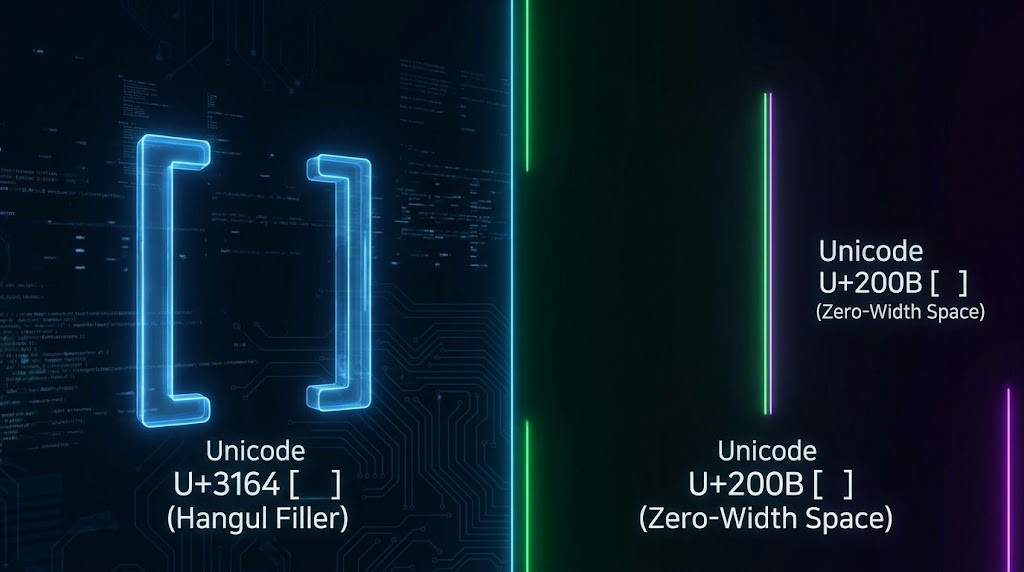
In the vast and often perplexing world of Unicode, some characters are designed to be seen, while others… aren’t. Invisible characters can be powerful tools or frustrating roadblocks, depending on how they’re wielded. Two such enigmatic characters frequently cause confusion: U+3164 (Hangul Filler) and U+200B (Zero Width Space). Both are invisible to the naked eye, yet their purposes, behaviors, and best-use cases differ significantly.
If you’ve ever grappled with creating an “empty” username in a game, formatting a marathon URL, or simply trying to understand why your text sometimes breaks unexpectedly, you’ve likely encountered the need for one of these. This expert guide will cut through the ambiguity, offering a clear, technical, yet simple comparison of u+3164 vs u+200b to help you choose the right invisible character for your specific needs.
Understanding U+3164: The Hangul Filler (Hangul 채움 문자)
Let’s unravel the mystery of U+3164, also known as the Hangul Filler.
What is it?
U+3164 is a character from the Hangul Compatibility Jamo block of Unicode. In the context of Korean script, Hangul Jamo are the individual consonants and vowels that combine to form Hangul syllables. The Hangul Filler character’s original purpose was to act as a placeholder or “filler” in specific sequences of Hangul Jamo, allowing for the correct representation of incomplete or complex syllable structures.
Its Invisible Nature
For most practical, non-Korean language rendering, U+3164 truly lives up to its “invisible” nature. It occupies zero width and zero height, meaning it doesn’t take up any physical space on the screen. Critically, it does not act as a separator or a break point. It is simply “there” as a character, but it renders as absolutely nothing.
Primary Use Case: Gaming and System Hacks
This profound invisibility, combined with its status as a valid Unicode character, makes U+3164 incredibly popular in specific contexts, particularly in the gaming world:
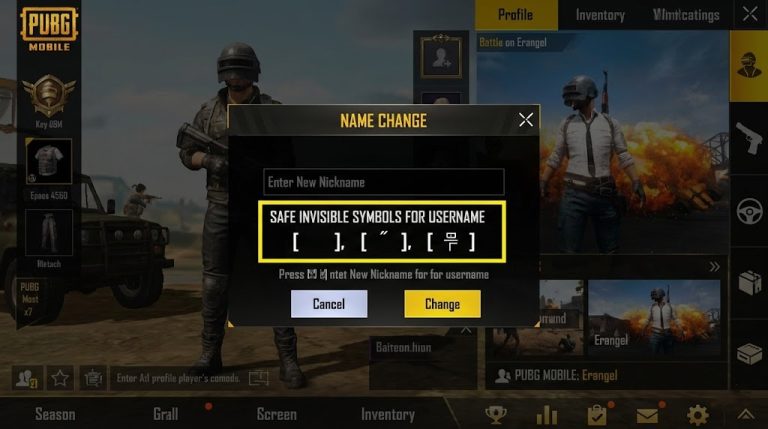
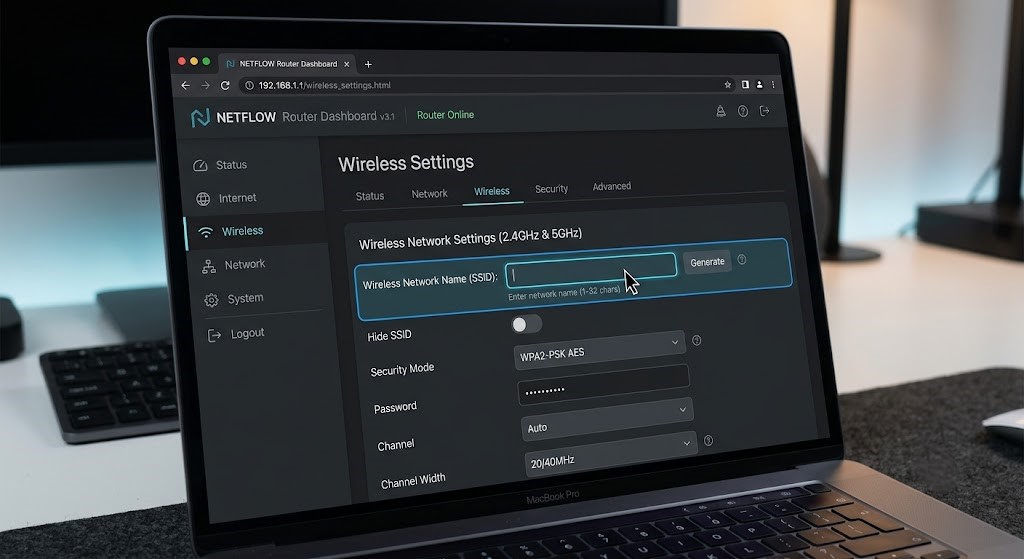
- Invisible Usernames/Handles: Many online games or social platforms have validation rules that prevent truly “empty” strings or names composed solely of spaces. By using U+3164, players can create what appears to be an empty or fully transparent name, bypassing these validations because the system registers a valid character, even though nothing is displayed.
- “Empty” Clan Tags or Guild Names: Similar to usernames, guilds or clans might leverage U+3164 to appear nameless or to create unique visual effects.
- Unique Identifiers: In systems that allow certain Unicode character sets, U+3164 can be part of a unique identifier that is visually discreet.
Pros of U+3164:
- Provides true, visually undetectable “emptiness” where a character is technically required.
- Excellent for bypassing system validations that reject empty strings or common whitespace characters.
Cons of U+3164:
- Can be stripped or misinterpreted by systems not designed to handle specific Hangul characters.
- Makes text selection and editing difficult due to its complete invisibility.
- Can lead to confusion if unexpected invisible characters are present in data.
Understanding U+200B: The Zero Width Space (ZWSP)
Next, let’s turn our attention to U+200B, the Zero Width Space – a character with a very different mission.
What is it?
U+200B is a non-printing character that is explicitly designed to indicate a potential word break point. Unlike a regular space (U+0020), which adds visible spacing and signals a break, the Zero Width Space adds no visible space but tells a text rendering engine, “You *can* break a line here if necessary.”
Its Invisible Nature (with a Catch)
Like U+3164, U+200B is invisible in that it occupies zero width. However, its purpose is intrinsically linked to text layout and flow. While you don’t *see* it, its presence can absolutely *affect* how text is displayed, specifically where lines might wrap.
Primary Use Case: Text Formatting and Readability
U+200B is a workhorse for improving text formatting and readability, especially in complex layouts:
- Long URLs and Code Snippets: It’s commonly inserted into very long strings like URLs, file paths, or lines of code. This allows browsers and text editors to break the line at appropriate, invisible points without introducing a hyphen or a visible space that would change the string’s meaning or validity.
- Preventing Unwanted Hyphenation: Conversely, you can strategically place ZWSP to prevent a word from breaking in an awkward way, or force a break in a compound word where hyphenation rules might be unclear.
- Improving Readability of Concatenated Words: For email addresses (e.g., user@example.com) or very long technical terms, ZWSP can make the text more manageable on smaller screens without adding visible breaks.
- SEO-Friendly Display (Cautious Use): While never for cloaking, some SEO specialists might use ZWSP to subtly influence how long strings (like keywords in a meta description) break on a search engine results page, optimizing for display while keeping the underlying text intact. This should be used with extreme caution and a clear understanding of search engine behavior.
Pros of U+200B:
- Standard and widely supported Unicode character for managing text layout and line breaks.
- Enhances readability of long strings without altering their visible content.
- Useful for responsive design, allowing text to adapt gracefully to different screen sizes.
Cons of U+200B:
- Can make text selection and copy-pasting unpredictable, as the invisible break points might interfere.
- May cause unexpected line breaks if misused or not understood by the rendering engine.
- Can be frustrating to debug when text behaves oddly without any visible cues.
U+3164 vs U+200B: A Side-by-Side Comparison
To solidify your understanding, here’s a direct comparison of u+3164 vs u+200b:
| Feature | U+3164 (Hangul Filler) | U+200B (Zero Width Space) |
|---|---|---|
| Unicode Name | HANGUL FILLER | ZERO WIDTH SPACE (ZWSP) |
| Hex Value | 3164 | 200B |
| Primary Purpose | Placeholder in Hangul Jamo; effectively a “true” invisible character for general use. | Indicate a potential line break point without adding visible space. |
| Visual Rendering | Completely invisible, no visual impact. | Invisible, but affects text wrapping/line breaks. |
| Width | Zero width. | Zero width. |
| Category | Letter, Other (Lo) | Format (Cf) |
| Best Use Case | Bypassing “empty string” validations (e.g., game names). | Controlling text layout and line breaks (e.g., long URLs, code). |
| Browser/OS Support | Generally supported as a valid Unicode character, renders invisibly. | Widely supported as a standard text formatting control. |
| Text Editor Behavior | Often treated as a normal character, may be hard to select/delete without specific tools. | Some editors show a placeholder glyph; others treat it as a potential break. |
| Searchability | Generally ignored or treated as non-existent by search engines for indexing purposes. | Generally ignored as a meaningful character by search engines, but its effect on display is key. |
| Potential Issues | Can cause data corruption if systems don’t handle Hangul characters correctly; difficult to detect. | Can make text difficult to select/copy; unexpected line breaks if misused. |
When to Use Which: Practical Scenarios
The choice between U+3164 and U+200B boils down to your intent:
Use U+3164 (Hangul Filler) when:
- You need a character to occupy space in a system that forbids truly empty strings (e.g., in online games for invisible names, chat messages, or unique IDs).
- You want a character that renders as absolutely nothing, with no formatting or layout implications whatsoever.
- Your goal is purely to “fill” a required character slot while maintaining visual emptiness.
Use U+200B (Zero Width Space) when:
- You need to improve the display and readability of long, unbroken strings like URLs, file paths, or hyphenated words, allowing them to wrap gracefully across lines without introducing visible spaces or hyphens.
- You want to explicitly signal to a text renderer where a line break is *permitted* to occur within a word or string.
- You are dealing with general text formatting and layout issues where visual flow is paramount.
SEO Implications: A Brief Note
It’s crucial to address SEO. Neither U+3164 nor U+200B should ever be used for manipulative SEO practices like cloaking or invisible keyword stuffing. Search engines are sophisticated enough to either strip these characters or treat them as non-meaningful for indexing purposes.
Their value in an SEO context is strictly legitimate: U+200B can subtly improve the display of long titles or descriptions on SERPs, making them more readable without altering the actual indexed content. U+3164 has virtually no SEO application, as its primary purpose is system interaction or visual stealth rather than content delivery. Always prioritize user experience and ethical practices.
Conclusion
Invisible characters, while tricky, are powerful tools in the Unicode toolbox. The key to mastering them lies in understanding their distinct purposes. For true, unadulterated invisibility in contexts like gaming system validations, U+3164 (Hangul Filler) is your character. For sophisticated text formatting and managing line breaks to enhance readability, U+200B (Zero Width Space) is the champion.
By carefully considering the nuanced differences between u+3164 vs u+200b, you can confidently choose the right invisible character, turning potential frustration into elegant solutions for your digital challenges. Always test your implementation across different platforms and rendering engines to ensure the desired outcome!